
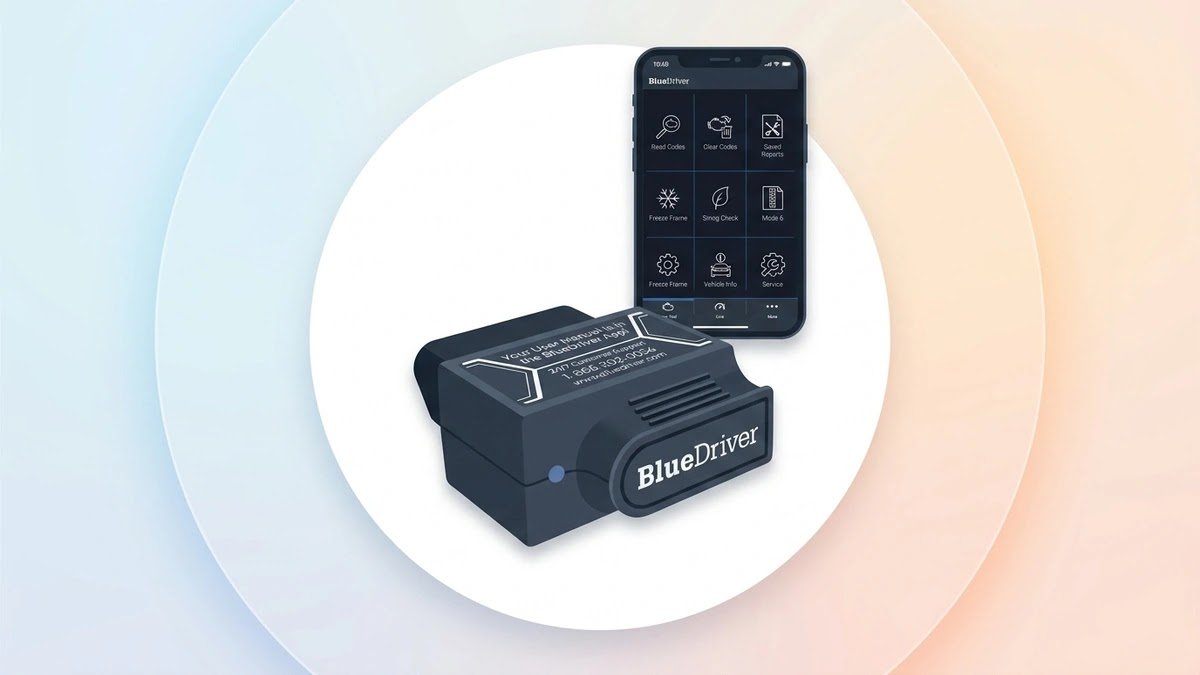
Search for a “ZUS car scanner” and you will find a small Bluetooth dongle that plugs into the diagnostic port under your dashboard, reads your engine’s fault codes and sends them to a phone app. Its actual name is the ZUS Smart Vehicle Health Monitor, made by nonda, and the current version is the Mini, described by the company as its fourth generation. It is worth understanding for two reasons: what it does is genuinely useful, and how it is sold is unusual.
What it is, stripped of marketing
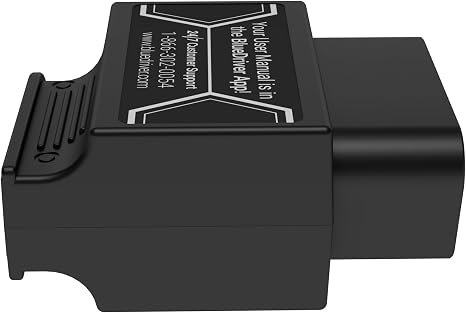
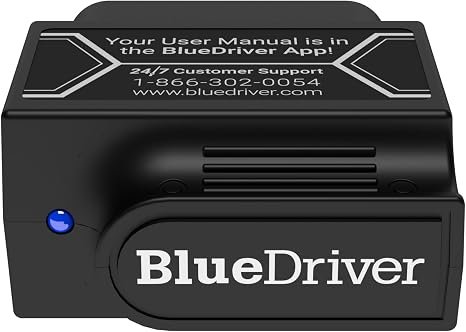
Hardware: a Bluetooth 4.2 OBD-II adapter for vehicles from the 1996 model year onwards, which is when the OBD-II standard became mandatory. That is the same category of device you can buy generically for around twenty dollars, and the physical part is not where the difference lies.
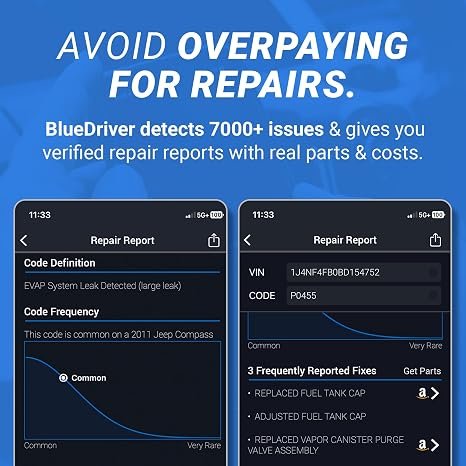
The difference is the app. nonda lists four things it does: read and clear fault codes with what it calls predictive analysis, log every trip automatically with exportable reports, find your parked car on a map, and present live engine data on several dashboard layouts. The company states there is no subscription and no monthly fee.
The free offer, and what you actually pay with
The device lists at $59.99, and nonda currently offers it free — you pay only shipping, which the company says is passed through at cost. That is a real offer, not a trick, but it is worth being clear-eyed about what a business gets from giving away hardware.
A dongle that is plugged in permanently produces a continuous record of where the car goes, when, how far, and how it is driven. nonda’s own feature list confirms the app holds mileage, trip duration, driving habits, engine data and historical fault codes. None of that is hidden and none of it is unusual for connected car products — but it is the asset the company acquires in exchange, and it is the thing to weigh rather than the price tag. If you would not install a permanent trip recorder in your car for free, the fact that the recorder also reads fault codes does not change the calculation.
Two marketing numbers worth checking
The product page frames code reading as something that “normally costs $150+ at a mechanic”. A workshop diagnosis does cost that, because you are paying for a technician’s time to interpret the code and find the fault. Reading the code itself is not the expensive part: in the United States most large parts chains do it free at the counter, and any generic dongle does it at home. What you are buying is convenience, not a $150 saving.
The second is the mileage deduction, advertised as up to $5,000 a year. The device does not create that deduction; it records the trips. Whether you can claim anything at all depends on driving for business, on your country’s tax rules, and on the mileage rate in force — and the figure quoted is a United States example. For a driver in the EU or UK the feature is a trip log, which may still be useful, but the headline number does not transfer.
The limitation that applies to every dongle in this class
This is the part that disappoints people, and it is not specific to ZUS. Generic OBD-II gives access to emissions-related diagnostics: the engine and, on most cars, the transmission. It does not give you the manufacturer-specific channels where ABS, airbag, power steering, body electronics and comfort modules keep their faults. So the warning light on your dashboard may well be invisible to any generic reader, because the module that set it is not part of the standard.
If your reason for buying is an illuminated engine light, a dongle of this class will very likely tell you what it is. If it is an ABS light, an airbag light, or a fault you want to clear after a repair on a chassis system, you need a scanner with manufacturer-specific coverage for your make, and no app-based twenty-dollar-class device will substitute for it.
Before you leave it plugged in
Any device that stays in the OBD port draws current when the car is parked. Well-designed ones sleep and draw very little; the amount varies by product, and the risk is real on a car that sits unused for weeks or already has a tired battery. If you plan to keep it permanently installed, check what the manufacturer says about standby consumption, and unplug it if the car is going to stand for a long period.
Two smaller points. The port itself is often behind a trim panel near the driver’s knees, and a dongle left protruding there can be knocked by a foot — the Mini’s selling point is precisely that it sits nearly flush. And on a leased or company car, check whether a permanently connected third-party device is permitted before fitting one.
Who it suits
It suits a driver who wants a plain-language answer when the engine light comes on, who does not want to buy a scan tool for the two or three times a year that happens, and who is comfortable with an app holding a record of their journeys. For that person, at effectively the price of postage, it is hard to argue against.
It does not suit someone diagnosing a chassis or body fault, someone who wants no continuous trip logging, or someone expecting a device at this level to replace a workshop’s equipment. Those are different tools, and the gap between them is not one that software closes.
Specifications, pricing and feature claims are taken from nonda’s own product page and help centre. We have not tested this device; the assessment above is of what is claimed and of what the OBD-II standard permits. Offers and prices change — check the current terms before ordering. Last updated: 5 September 2026.
Read next
Goes to nonda’s own store, where the device is currently offered for the cost of shipping. The Amazon listing (ASIN B077B3FLHV) exists but shows as unavailable at the time of writing. We do not earn a commission from this link.