
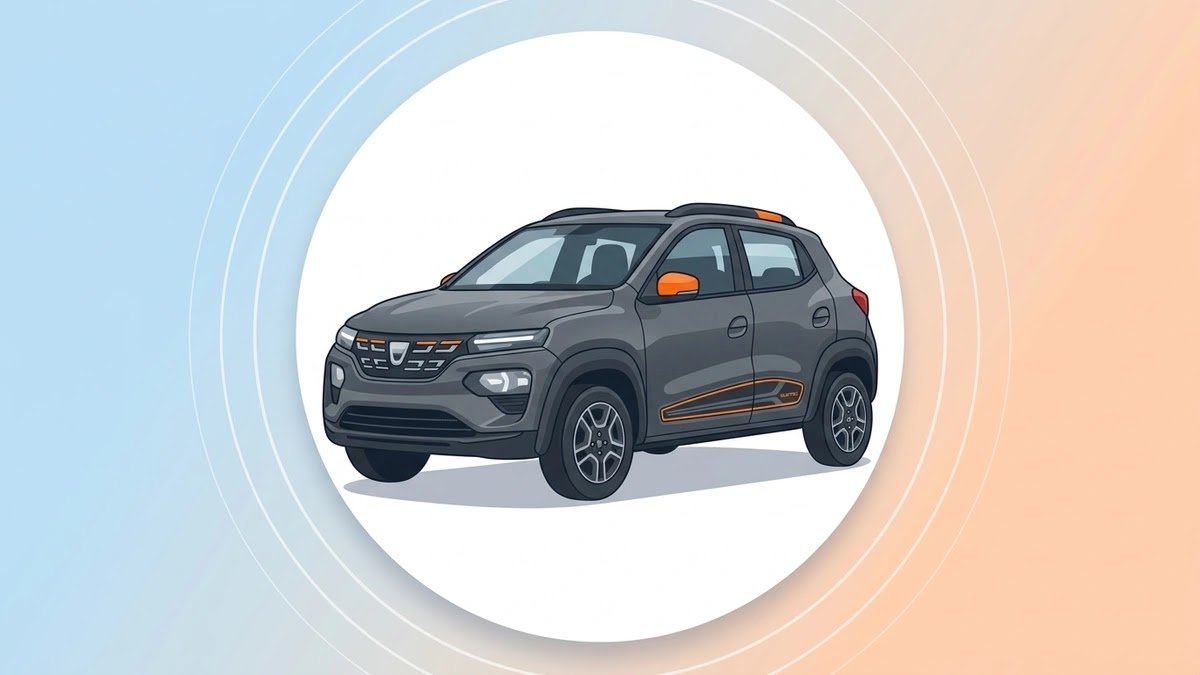
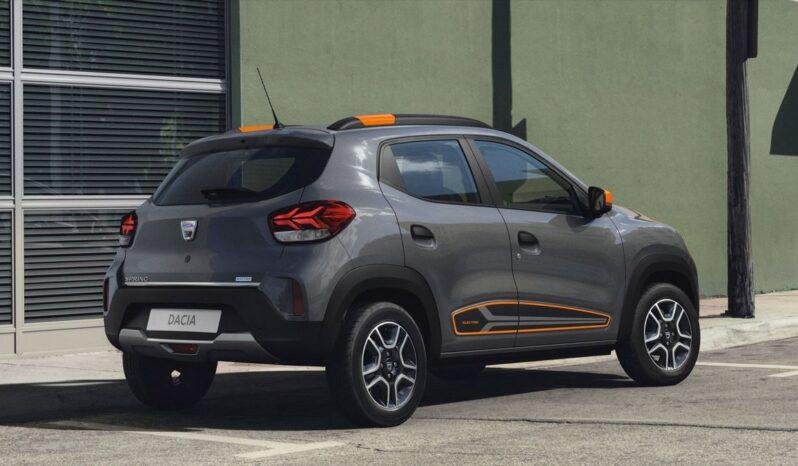
Dacia has revealed the second-generation Spring, starting at €17,900. The headline everyone is running is the price. The actual news is the postcode.
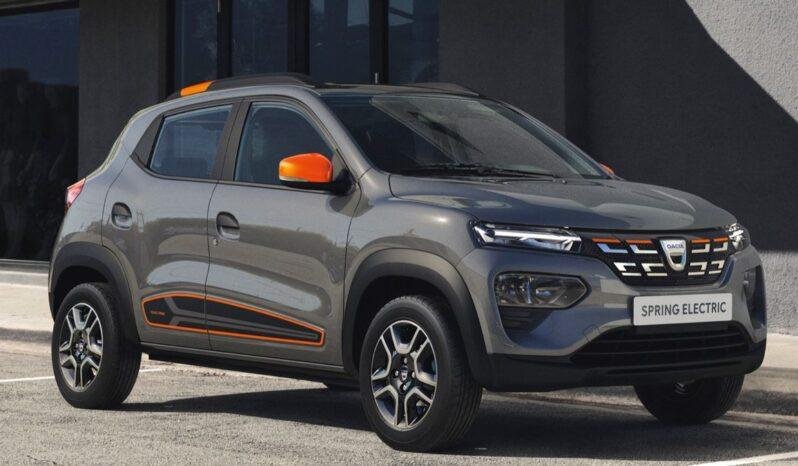
The outgoing Spring was Europe’s cheapest electric car for one unglamorous reason: it was built in China, by Dongfeng, and shipped in. The new one is built at Renault’s plant in Novo Mesto, Slovenia. Keeping the price under €18,000 while moving final assembly into the European Union is the genuinely difficult thing Dacia has done here, and understanding why they bothered explains the whole car.
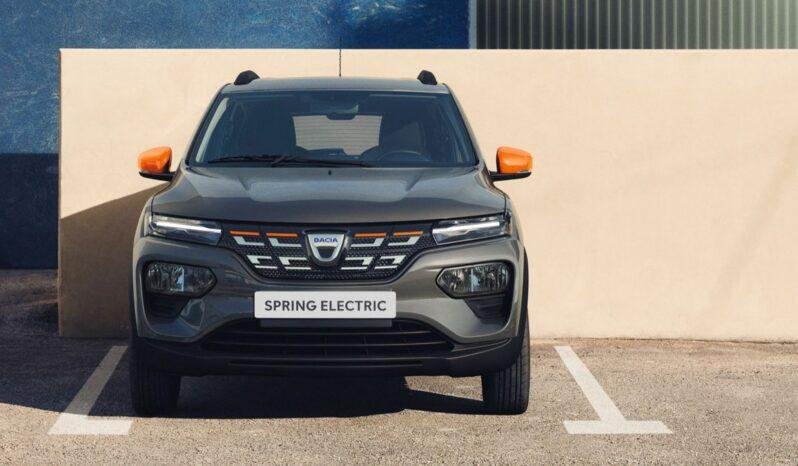
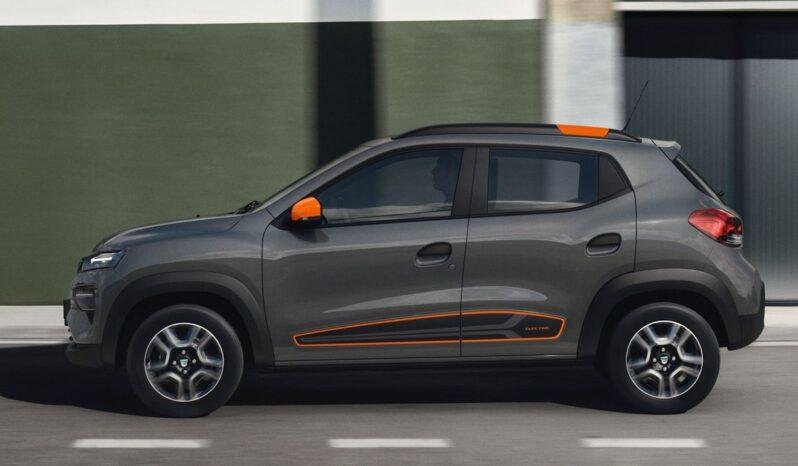
Why Slovenia
Two mechanisms, working in the same direction.
The first is the EU’s countervailing duties on battery electric vehicles built in China, in force since late 2024. A car assembled in Slovenia is outside them entirely.
The second matters more, and most coverage skips it. Several national purchase incentives — France’s being the one Dacia cares about — do not simply hand money to any electric car. They score the vehicle on an environmental footprint that includes where it was manufactured and how far it travelled to reach the showroom. That scoring pushed the China-built Spring out of eligibility. Assembling in Slovenia puts it back in.
The competitive logic follows directly. The Spring’s natural rivals — the Leapmotor T03 at €18,900 and the BYD Dolphin Surf at €20,000 — are still built in China, still inside the duties, and still outside those incentive schemes. On list price the gap is a few hundred euros. After a national subsidy that one car qualifies for and the others do not, it is several thousand.
The honest bit about “cheap”
This needs saying plainly, because the €17,900 figure invites a comparison that does not hold.
The old Spring, discounted hard, had been reaching roughly €11,900 with manufacturer money on the bonnet. Against that floor, the new car’s list price is not a reduction — it is a substantial increase. What changed is not the sticker but the eligibility: the new Spring can collect a government incentive the old one could not, and in markets with a generous scheme that more than closes the gap. In markets without one, it does not.
So whether this is the cheapest EV you can buy depends entirely on which country you are standing in. That is an unsatisfying answer, and it is the correct one.
The specification
| New Spring | Previous generation | |
|---|---|---|
| Built in | Novo Mesto, Slovenia | China |
| Platform | Renault RG-EV Small | — |
| Battery | 27.5 kWh LFP | 26.8 kWh NMC |
| Range (WLTP) | Up to 250 km | 225 km |
| Motor | 60 kW (82 PS), 175 Nm | — |
| 0-100 km/h | 12.1 s | — |
| Top speed | 130 km/h | — |
| Kerb weight | From 1,212 kg | — |
| Length / width | 3,850 / 1,740 mm | 15 cm shorter, 18 cm narrower |
| Boot | 337 l, 1,283 l seats folded | 308 l, 1,004 l |
| Prices | Expression €17,900, Journey €19,400 | — |
How they held the price: 1,212 kg and a chemistry swap
Two engineering decisions carry this car, and both are worth understanding because they apply far beyond Dacia.
The weight. At 1,212 kg the Spring is startling by modern electric standards — most EVs on sale run between 1,700 and 2,200 kg. Everything else follows from that number. A light car needs less motor, so 60 kW is adequate. It needs less battery for a given range, and the battery is the single most expensive component. It is easier on tyres and brakes. Mass is the root cost driver in an electric car, and Dacia’s whole method is refusing to add any.
The chemistry. The pack moves from NMC — nickel manganese cobalt — to LFP, lithium iron phosphate. LFP uses no cobalt and no nickel, the two commodities that make a battery expensive and politically awkward. It also tolerates more charge cycles before degrading and is markedly harder to set on fire. That is how 27.5 kWh of LFP can cost less than 26.8 kWh of NMC did.
The trade-off is real and seasonal: LFP holds less energy per kilogram and performs noticeably worse in the cold. A winter morning will take a bigger bite out of that 250 km than it would from an equivalent NMC pack, and LFP also prefers being charged to 100 per cent regularly, which is the opposite of the advice EV owners have spent a decade absorbing. Neither is a flaw. Both are things to know before buying.
The option that is not really optional
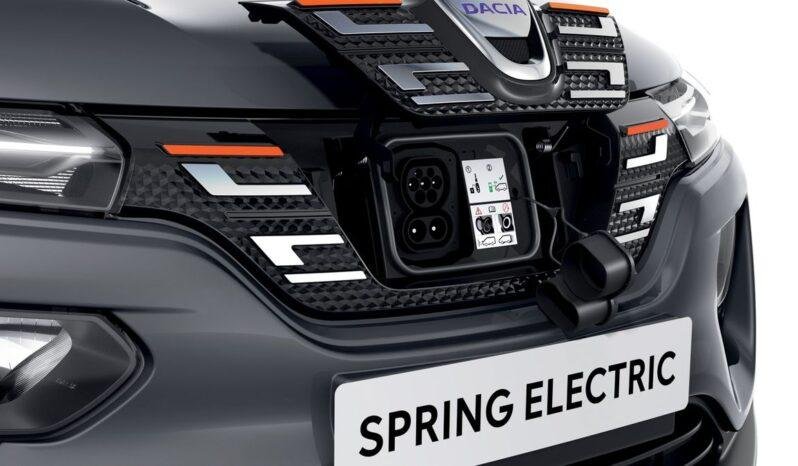
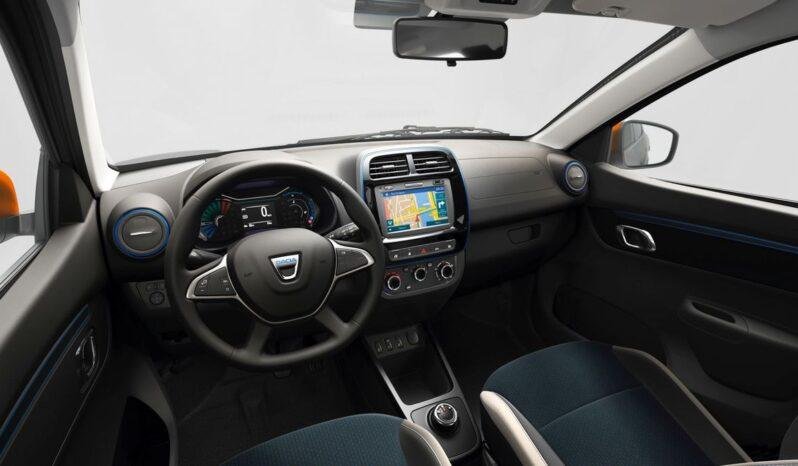
The standard car has a 6.6 kW AC onboard charger and nothing else. No DC rapid charging at all.
The Charge Pack raises AC to 11 kW and adds 50 kW DC, which takes the battery from 15 to 80 per cent in about 28 minutes. Without it, the Spring cannot usefully leave town: a motorway stop becomes a multi-hour wait on a wallbox, assuming you find one.
Dacia is being honest about what this car is — a city car, sold as a city car — and plenty of buyers genuinely never need more. But anyone who makes even an occasional longer trip should treat the Charge Pack as part of the price rather than a box to consider, and should compare the real total against rivals that include DC charging as standard.
What 250 km actually means
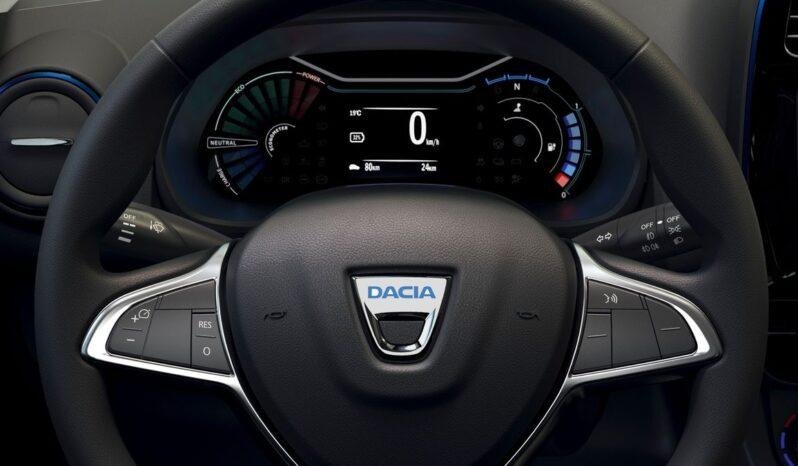
250 km from 27.5 kWh works out at about 11 kWh per 100 km — a genuinely good figure, and the direct dividend of that 1,212 kg. For context, most family electric cars sit between 15 and 20.
WLTP remains optimistic, as it is for every car. Expect meaningfully less in winter, with heating running and LFP chemistry working against you — a realistic cold-weather figure for a car like this is closer to 160 to 180 km. For commuting, school runs and errands that is ample. For anything else it is not the car.
Why it matters beyond Dacia
Europe spent two years arguing about whether tariffs on Chinese electric cars would produce anything other than higher prices. The new Spring is the first clear answer: a volume model pulled back into EU assembly, at a price that is still the lowest on the market, built on a platform designed for the job.
Whether that is a victory depends on where you sit. European assembly plants gain work. Buyers in countries with strong incentives get a cheaper car than they would have. Buyers in countries without them pay more than the discounted old Spring cost, for a better car they did not necessarily ask to be better. All three of those things are true at once, which is usually how industrial policy works out.